
Dudhwa is Known As the Home Of Tigers, Various types of deer and birds.

Dudhwa takes you to an amazing world full of wildlife, birding sanctuaries and nature preserves.
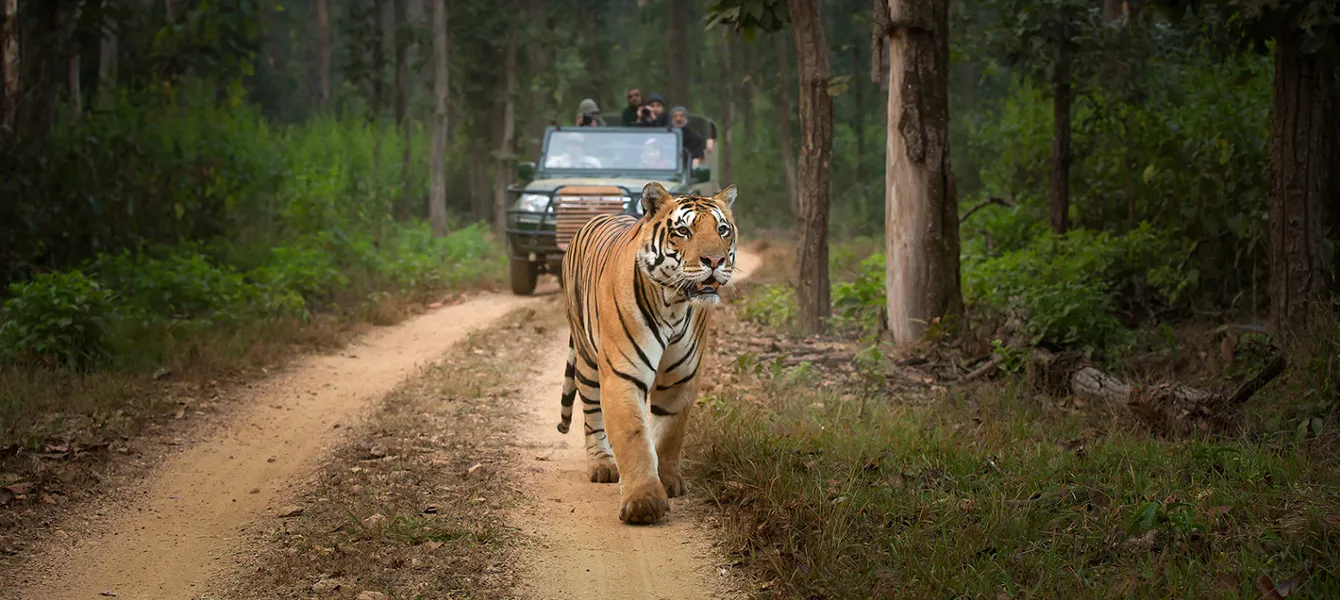
Best Time to Visit Dudhwa National Park which is opened for visitors from 15 November to 15 June.
Dudhwa National Park is a protected area in the state of Uttar Pradesh, India, that was established in 1977. The park covers an area of 490 square kilometers and is located in the district of Lakhimpur Kheri, along the Indo-Nepal border.
The history of Dudhwa National Park dates back to the early 20th century when the area was used as a hunting ground by the British rulers of India. In 1958, the area was declared a wildlife sanctuary by the government of Uttar Pradesh, with the aim of protecting the swamp deer population, which was facing the threat of extinction.
In 1977, the sanctuary was upgraded to a national park, and additional areas were added to the protected area. The park was also declared a tiger reserve in 1987, as the area was found to have a significant population of Bengal tigers.
Today, Dudhwa National Park is home to a diverse range of wildlife, including tigers, leopards, elephants, sloth bears, and over 450 species of birds. The park is also known for its unique ecosystem, which includes grasslands, swamps, and dense forests.
Conservation efforts at Dudhwa National Park have included habitat restoration and the reintroduction of several endangered species, including the swamp deer and the barasingha, a species of deer that was once on the verge of extinction. The park has also been recognized for its eco-tourism initiatives, which aim to promote sustainable tourism and support the local economy while preserving the natural environment.
Dudhwa Tiger Reserve is a protected area in the Terai region of Uttar Pradesh, India. It was established in 1988 and covers an area of 1,284 square kilometers, including the Dudhwa National Park and Kishanpur Wildlife Sanctuary. The reserve is known for its rich biodiversity, with a variety of flora and fauna, including the Bengal tiger, Indian rhinoceros, swamp deer, leopard, and many species of birds.
The Dudhwa National Park is a popular tourist destination, known for its beautiful grasslands, dense forests, and water bodies. Visitors can take safaris and explore the park to spot wildlife and enjoy the natural beauty of the area. The Kishanpur Wildlife Sanctuary is also a popular attraction and is known for its diverse range of bird species.
The Dudhwa Tiger Reserve is an important conservation area, and efforts are being made to protect the endangered species that call it home. The reserve is also working to improve the livelihoods of local communities and promote ecotourism as a sustainable means of development.
The Website of Jim Corbett National Park is www.jimcorbettnationalpark.in. This Website provides all the necessary information about the park, including its history, location, flora and fauna, accommodation options, and activities to do inside the park. Visitors can also book their stay and safaris through the website.
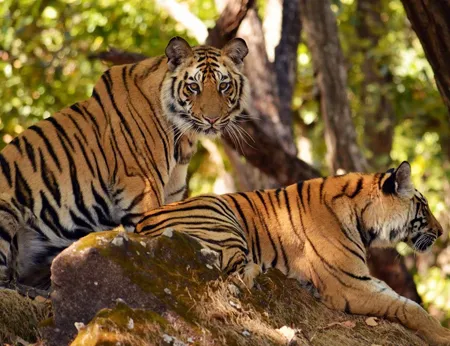
If the mystery and the excitement of an authentic wildlife tour is part of your travel itinerary, then look no further than a Fun Tour to Dudhwa National Park...
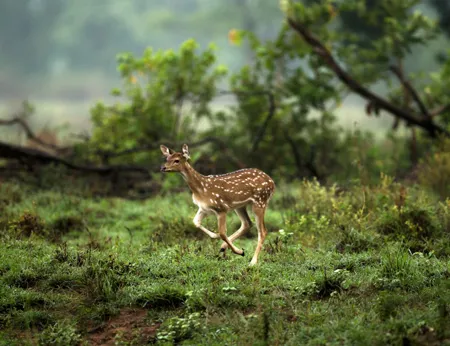
It is said that wildlife trip to India is incomplete if you have not visited Dudhwa Forest Lodge. So, If you are dreaming of a great vacation and finding it hard work to make it happen...

Dudhwa National Park, home to Rhinos, Tigers, with countless animal species, birds, insects, reptiles is adjacent to the town. Palia Kalan is a small peaceful city & a municipal board...
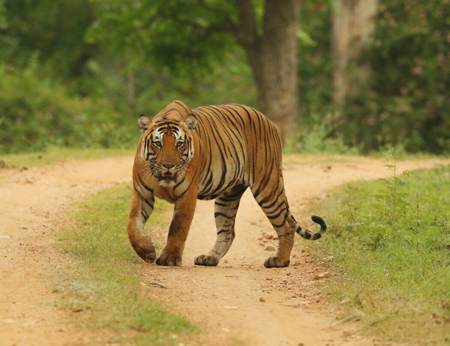
Dudhwa Tiger Reserve is open to visitors from 15th November to 15th June every year. Access : Dudhwa Tiger Reserve is accessible both by rail and road. The Dudhwa branch-line of the North-east Railways links...
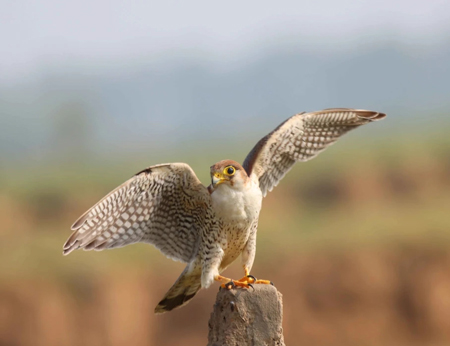
The best time to visit Dudhwa National Park is between November and May. The park remains open to public from 15th November to 15th June, though the months of May and June are a little too hot for comfort...

Dudhwa National Park is stretched in an area across 810 square kilometers. The core area of the park itself is spanned around 650 square Kilometers. Although Dudhwa National Park has a range of animal as well as avian population...
Billy Arjan Singh (1917-2010) was an Indian naturalist and conservationist known for his efforts to protect tigers and their habitats in India. He was born in Gorakhpur, Uttar Pradesh and spent much of his life in the state of Assam, where he developed a deep passion for wildlife conservation.
Singh is credited with pioneering the idea of "rewilding" tigers, which involves rehabilitating captive tigers and releasing them into the wild. He established India's first tiger reserve at Dudhwa National Park and was instrumental in the creation of the Sariska Tiger Reserve in Rajasthan.
Singh was also an author, with several books to his credit including "Tiger Haven", "Rainforest", and "The Legend of the White Giraffe". He was the recipient of numerous awards for his contributions to wildlife conservation, including the Padma Shri and the Order of the Golden Ark.
Singh passed away in 2010 at the age of 92, leaving behind a legacy of conservation efforts that continue to inspire people today.
The best time to visit Dudhwa National Park is between November and May. The park remains open to public from 15th November to 15th June, though the months of May and June are a little too hot for comfort. While visiting the Park during winter you must remember to take woolen clothes as it can get pretty chilly, particularly between December to February.
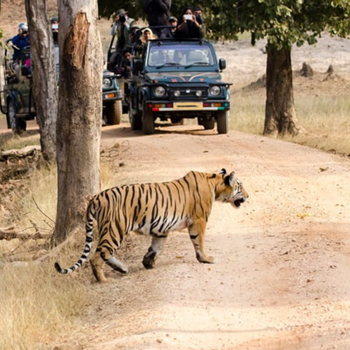
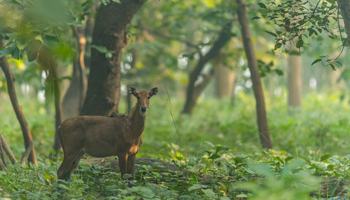
Kishanpur Wildlife Sanctuary is a beautiful forest reserve known for its rich wildlife, dense sal forests, wetlands, and tiger habitat. It offers thrilling jungle safaris, bird watching, and a peaceful natural environment for wildlife lovers and nature photographers.
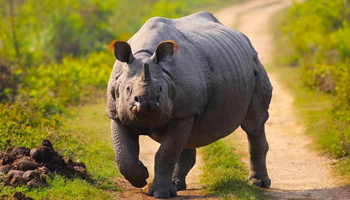
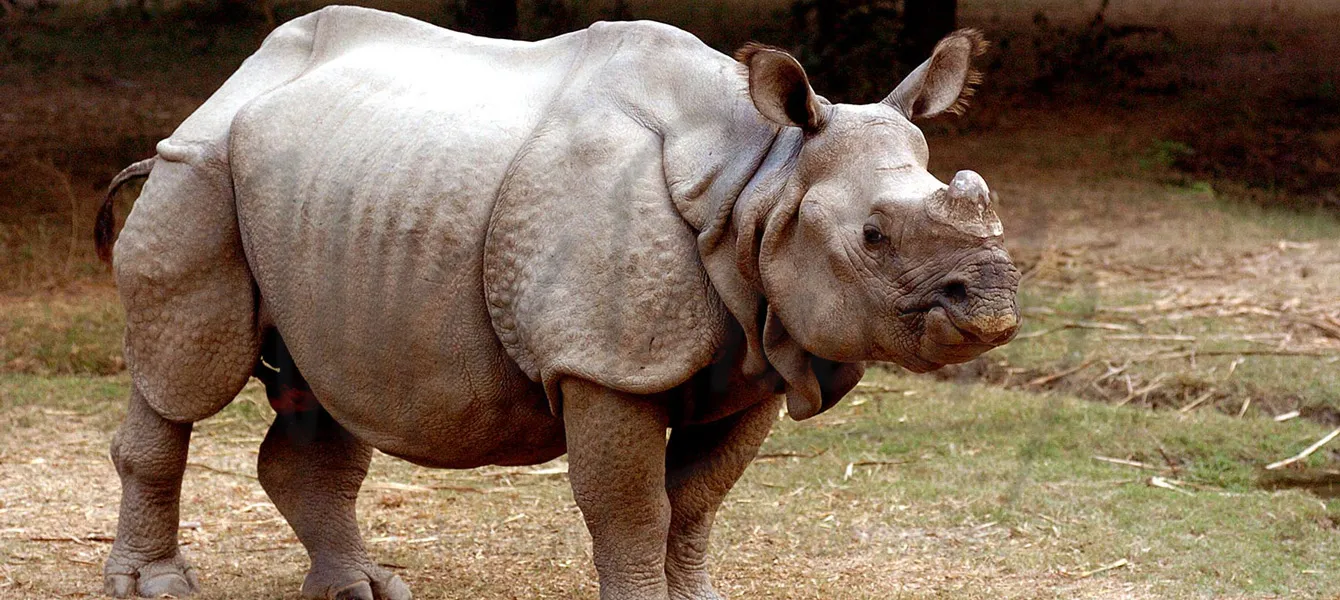
The Indian One-Horned Rhinoceros in Dudhwa National Park is a major attraction, living in protected grasslands and wetlands. These rare rhinos symbolize successful wildlife conservation in India.
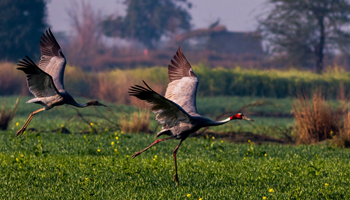
Dudhwa National Park is home to over 450 bird species including hornbills, kingfishers, woodpeckers, owls, storks, and migratory birds, making it a paradise for bird watchers and nature lovers.